Bathroom condensation in a manufactured home is usually a moisture-management problem, not a reason to reach for a stronger cleaner. Warm shower air meets a cooler mirror, window, wall, or ceiling and turns into water. The practical fix is to remove moisture at the source, confirm that the exhaust path works, and track whether humidity actually returns to normal.
Start with the exhaust fan
Run the bathroom fan before the shower, keep it on during use, and leave it running afterward until the room has cleared. Make sure it vents outdoors rather than into the roof cavity. A grille that sounds loud is not proof of useful airflow: dust, a stuck exterior flap, or a crushed duct can reduce performance.
Do not open electrical covers or work on a fan near moisture unless the circuit is isolated and you are qualified to do so. Persistent staining, soft materials, or suspected hidden mold calls for a trained professional, not cosmetic repainting.
Measure the pattern, not one number
A small hygrometer can show the before-and-after pattern. Place it away from direct spray and the fan outlet, note the reading before showering, then check how quickly it falls afterward. Indoor humidity varies with climate and season, so look for repeated spikes that remain elevated rather than treating one universal percentage as a pass/fail line.
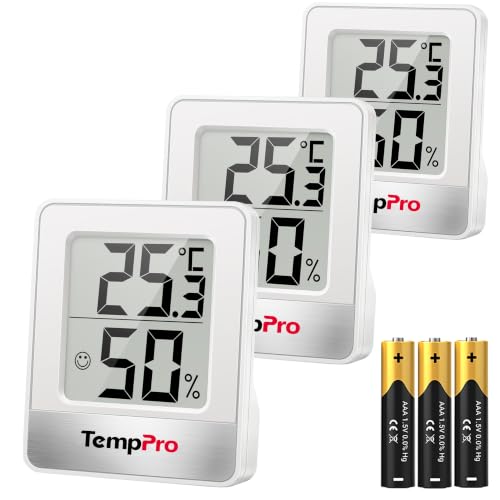
- Para un clima interior saludable: Con este mini termohigrómetro de ambiente, puede conocer fácilmente la temperatura y h…
- Sensor avanzado de alta precisión: El termómetro higrómetro para hogar construido en un sensor de temperatura y humedad …
- Ahorro de energía y opciones de montaje múltiple: Este monitor de temperatura y humedad en el hogar funciona con 1 bater…
As an Amazon Associate, we may earn from qualifying purchases at no additional cost to you.

For a repeatable method, see how to track humidity at home. If you use a portable unit, our guide to dehumidifier placement in a manufactured home explains safe clearance and drainage considerations.
Reduce moisture at the source
- Use the fan consistently and keep the door mostly closed while showering if that helps the fan capture moisture.
- Take slightly shorter or cooler showers when condensation is severe.
- Wipe standing water from the shower surround and window sill.
- Dry wet towels outside the bathroom or spread them so air can reach both sides.
- Keep supply and return-air paths unobstructed.
Opening a window may help in dry weather, but it can make matters worse when outdoor air is humid. Whole-home ventilation and local exhaust have different jobs; see our overview of manufactured-home ventilation for the bigger picture.
Check cold surfaces and air leaks
If water repeatedly forms in one corner, inspect for a cold bridge, missing insulation, an air leak, or an exterior-water problem. Condensation is usually on the room-facing surface; a plumbing or roof leak may appear regardless of shower use. Do not seal wet materials behind caulk or paint before identifying the source.
When to get help
Call a qualified technician if the fan does not vent outdoors, the duct is inaccessible, breakers trip, surfaces stay wet for hours, or materials feel swollen or soft. Seek professional mold assessment when the affected area is extensive or occupants have health concerns. Never mix bleach with ammonia, acids, or other cleaners, and keep products away from children and pets.
Quick FAQ
Will a bigger fan always solve it?
No. Duct length, bends, blockage, makeup air, and outdoor termination all affect real airflow.
Should the bathroom door stay open?
During the shower, a mostly closed door can help contain moisture for the fan. Afterward, opening it may help equalize conditions if the rest of the home is drier.