Saltar al contenido

Water Leak Detectors for Manufactured Homes: Placement Guide

A water leak detector in a manufactured home is useful only when water can reach its sensing contacts and the alert can reach you. Start with risk points, then confirm floor contact, signal strength, battery status, and a repeatable test schedule.

Disclosure: this guide contains an Amazon product card. We may earn a commission at no extra cost to you. The example is based on listed features; we have not independently tested it.

Prioritize the first places water would collect

Place sensors on a clean, level surface beneath or next to supply connections, not on a shelf above them. High-value locations include the water heater pan, washing-machine hoses, kitchen sink, bathroom vanity, refrigerator line, and the lowest accessible point near plumbing penetrations.

In a manufactured home, limited access and floor penetrations can let a small leak travel before it becomes visible. A detector is an early-warning tool, not a substitute for inspecting seals, hoses, shutoffs, or the crawl space. Compare the moisture clues in our guides to kitchen humidity, laundry-room humidity, and crawl-space humidity.

Placement checklist

CheckWhy it matters
Sensor touches the floorMany units alarm only when water bridges their contacts.
Water can reach itCabinet lips, trays, and slopes may divert a leak elsewhere.
Radio or hub worksA local alarm may not produce a remote notification.
Device stays serviceableYou need access for testing and battery replacement.
Shutoff is knownAn alert helps only if someone can respond safely.

Moen’s placement guidance emphasizes locating the unit where water is likely to collect. Treat each manufacturer’s instructions as authoritative for its contact layout and clearance.

A current catalog example

Shelly Flood S Gen4 lists Wi-Fi, Zigbee, Matter, Bluetooth, a local buzzer, stainless contact plates, mobile alerts, and battery operation. Verify whether your chosen setup needs a hub, which notification services are available, and how long the battery specification applies under your signal conditions.
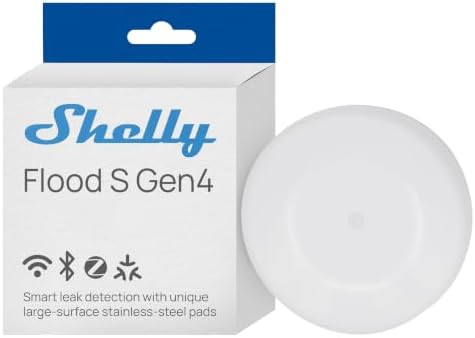
Leak detector placement check near plumbing appliances
Check every risk zone separately; one sensor rarely covers an entire home.

Test before relying on notifications

  1. Install the app, hub, or local integration required by the exact model.
  2. Place the sensor and confirm the device is online from that location.
  3. Use the maker’s test method or a damp cloth on the contacts; do not flood the floor.
  4. Confirm both the audible alarm and every remote notification you expect.
  5. Record the test date and repeat monthly and after network changes.

If an alarm sounds, avoid standing water near electrical equipment. Shut off water only when it is safe, disconnect power through an appropriate dry control if required, and call a qualified professional for an unknown or concealed source.

Bottom line

Buy enough sensors for the highest-risk points, not just one for the whole home. Good placement, a verified alert path, and regular testing matter more than a long feature list.
Why Bedroom Humidity Rises Overnight in a Manufactured Home

A bedroom humidity reading can rise overnight even when no leak is visible. The number may reflect moisture from occupants, less air movement, and a drop in temperature rather than a single hidden defect. The useful response is to measure a pattern, not react to one peak.

Why relative humidity can climb at night

  • People and pets add moisture: breathing and normal household activity release water vapor.
  • The room cools: relative humidity rises when air temperature falls, even if the actual amount of water vapor changes little.
  • Airflow drops: closed doors, blocked returns, or a system that cycles less can isolate the room.
  • Outdoor air changes: opening a window is not automatically drying when outdoor air is warm and humid.
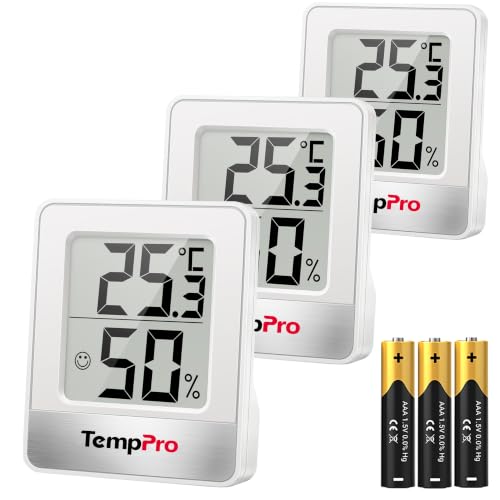
  • Para un clima interior saludable: Con este mini termohigrómetro de ambiente, puede conocer fácilmente la temperatura y h…
  • Sensor avanzado de alta precisión: El termómetro higrómetro para hogar construido en un sensor de temperatura y humedad …
  • Ahorro de energía y opciones de montaje múltiple: Este monitor de temperatura y humedad en el hogar funciona con 1 bater…

As an Amazon Associate, we may earn from qualifying purchases at no additional cost to you.

A simple three-night check

1. Use two sensors

Place one hygrometer in the bedroom, away from a window, supply register, exterior wall, humidifier, and direct sunlight. Put the second in a nearby hall or room. Our guide to hygrometer placement explains why a nightstand beside a cold window can mislead you.

2. Record temperature and humidity together

Write down both readings at bedtime, on waking, and an hour after the door opens. A rise that follows a temperature drop is different from a reading that remains high all day. Before trusting a large difference between devices, compare your hygrometers side by side.

Two humidity sensors placed in separate locations in a manufactured-home bedroom
AI-generated editorial image. Affiliate link.

3. Change one variable

On the second or third night, leave the bedroom door slightly more open if privacy and fire-safety practices allow, and make sure the HVAC return path is not blocked. Do not change thermostat settings, run a portable unit, and open windows all at once; you will not know what mattered.

When the pattern points beyond normal occupancy

Investigate further when the bedroom stays much wetter than nearby rooms, condensation persists on several surfaces, materials feel damp, or a musty odor returns after cleaning. In a manufactured home, pay attention to plumbing penetrations, window seals, roof or wall damage, bathroom exhaust, and the underbelly. Do not open electrical panels or enclosed cavities as a casual DIY test.

Safer ways to respond

  • Keep supply and return grilles clear.
  • Use the bathroom exhaust fan during and after showers.
  • Dry visible window moisture and track whether it returns.
  • If a dehumidifier is needed, follow its clearance, drainage, filter, and electrical instructions; see our dehumidifier placement guide.
  • Keep cords, condensate hoses, and chemicals away from children and pets.

FAQ

Does a high morning reading prove there is a leak?

No. It is a reason to compare rooms, temperature, duration, and visible signs. A persistent localized pattern deserves inspection.

Should I sleep with a window open?

Only when outdoor conditions, security, weather, and your HVAC setup make that appropriate. Outdoor air can add moisture rather than remove it.

How to Prevent Bathroom Condensation in a Manufactured Home

Bathroom condensation in a manufactured home is usually a moisture-management problem, not a reason to reach for a stronger cleaner. Warm shower air meets a cooler mirror, window, wall, or ceiling and turns into water. The practical fix is to remove moisture at the source, confirm that the exhaust path works, and track whether humidity actually returns to normal.

Start with the exhaust fan

Run the bathroom fan before the shower, keep it on during use, and leave it running afterward until the room has cleared. Make sure it vents outdoors rather than into the roof cavity. A grille that sounds loud is not proof of useful airflow: dust, a stuck exterior flap, or a crushed duct can reduce performance.

Do not open electrical covers or work on a fan near moisture unless the circuit is isolated and you are qualified to do so. Persistent staining, soft materials, or suspected hidden mold calls for a trained professional, not cosmetic repainting.

Measure the pattern, not one number

A small hygrometer can show the before-and-after pattern. Place it away from direct spray and the fan outlet, note the reading before showering, then check how quickly it falls afterward. Indoor humidity varies with climate and season, so look for repeated spikes that remain elevated rather than treating one universal percentage as a pass/fail line.

  • Para un clima interior saludable: Con este mini termohigrómetro de ambiente, puede conocer fácilmente la temperatura y h…
  • Sensor avanzado de alta precisión: El termómetro higrómetro para hogar construido en un sensor de temperatura y humedad …
  • Ahorro de energía y opciones de montaje múltiple: Este monitor de temperatura y humedad en el hogar funciona con 1 bater…

As an Amazon Associate, we may earn from qualifying purchases at no additional cost to you.

Humidity monitor placed safely on a bathroom shelf
Editorial image generated with AI. Affiliate link.

For a repeatable method, see how to track humidity at home. If you use a portable unit, our guide to dehumidifier placement in a manufactured home explains safe clearance and drainage considerations.

Reduce moisture at the source

  • Use the fan consistently and keep the door mostly closed while showering if that helps the fan capture moisture.
  • Take slightly shorter or cooler showers when condensation is severe.
  • Wipe standing water from the shower surround and window sill.
  • Dry wet towels outside the bathroom or spread them so air can reach both sides.
  • Keep supply and return-air paths unobstructed.

Opening a window may help in dry weather, but it can make matters worse when outdoor air is humid. Whole-home ventilation and local exhaust have different jobs; see our overview of manufactured-home ventilation for the bigger picture.

Check cold surfaces and air leaks

If water repeatedly forms in one corner, inspect for a cold bridge, missing insulation, an air leak, or an exterior-water problem. Condensation is usually on the room-facing surface; a plumbing or roof leak may appear regardless of shower use. Do not seal wet materials behind caulk or paint before identifying the source.

When to get help

Call a qualified technician if the fan does not vent outdoors, the duct is inaccessible, breakers trip, surfaces stay wet for hours, or materials feel swollen or soft. Seek professional mold assessment when the affected area is extensive or occupants have health concerns. Never mix bleach with ammonia, acids, or other cleaners, and keep products away from children and pets.

Quick FAQ

Will a bigger fan always solve it?

No. Duct length, bends, blockage, makeup air, and outdoor termination all affect real airflow.

Should the bathroom door stay open?

During the shower, a mostly closed door can help contain moisture for the fan. Afterward, opening it may help equalize conditions if the rest of the home is drier.

Where to Place a Dehumidifier in a Manufactured Home

A dehumidifier can only manage the air that reaches it. In a manufactured or prefab home, tight rooms, closed doors, wall clearances, and laundry moisture often matter more than simply placing the unit beside the dampest-looking window. The best location is the one that matches the problem you measured.

Start with the moisture pattern

Use a separate hygrometer to log relative humidity in the problem room and in one comparison room for several days. Record cooking, showers, laundry, outdoor weather, and door position. A single reading cannot tell you whether moisture is local, intermittent, or moving through the whole home.

Best placement by goal

GoalStarting positionWhat to check
Dry one roomInside the room, with door and windows closedManufacturer clearances and unobstructed intake/exhaust
Help several connected roomsCentral hall only if doors stay openWhether readings actually fall in each room
Dry laundryIn the laundry room, away from wet fabricSafe cord routing and continuous drainage instructions
Address a cold exterior wallNear, but not pressed against, the affected zoneAir circulation and the underlying condensation cause

Keep the unit upright on a level floor. Follow the manual for wall and furniture clearance; do not guess a universal distance. Never cover the intake or exhaust, run the cord under a rug, use an unsuitable extension cord, or place the appliance where children or pets can tip it.

A separate sensor is useful

The ThermoPro TP49 three-pack, ASIN B08V1KXBQD, is shown as an example of separate room sensors. Its product card is supplied by the authorized affiliate block. We have not independently calibrated these units, so use the trend rather than treating every displayed decimal as laboratory accuracy.

  • Para un clima interior saludable: Con este mini termohigrómetro de ambiente, puede conocer fácilmente la temperatura y h…
  • Sensor avanzado de alta precisión: El termómetro higrómetro para hogar construido en un sensor de temperatura y humedad …
  • Ahorro de energía y opciones de montaje múltiple: Este monitor de temperatura y humedad en el hogar funciona con 1 bater…
Portable dehumidifier placed in a compact hallway with open interior doors and clear walking space
AI-generated editorial image. Affiliate link.

When central placement does not work

  • Closed bedroom doors stop meaningful air exchange.
  • A short cycling run lowers humidity beside the machine but not across the home.
  • The unit is undersized for the temperature, moisture load, or area.
  • Open windows continually bring in humid outdoor air.
  • A leak, missing vapor control, or HVAC fault keeps adding moisture.

Compare readings using the same method described in how to track humidity at home. If sensors disagree unexpectedly, see how to check a household hygrometer.

Drainage and electrical safety

Empty the tank with the unit switched off, keep plugs and outlets dry, and use continuous drainage only as the manufacturer specifies. Route the hose so it cannot siphon, kink, leak into the floor, or create a trip hazard. If you suspect hidden plumbing, roof, wall, or HVAC moisture, fix the source instead of asking the appliance to mask it.

FAQ

Should doors be open or closed?

Close them when treating one room. Open them only when testing whether a central position can serve connected rooms, and verify the result with separate readings.

Can it sit beside a wall?

Only within the clearance stated in the specific manual. Intake and exhaust locations differ among models.

Sources: U.S. EPA indoor humidity guidance; manufacturer placement and drainage instructions; Expert Reviews placement guide. This article is general maintenance information, not a substitute for inspection of persistent damp, mold, or structural leaks.

Cómo comprobar un higrómetro doméstico

Dos higrómetros colocados en la misma habitación pueden mostrar valores distintos. Antes de dar por malo uno de ellos, conviene comprobarlos en condiciones controladas y separar tres conceptos: comparar, verificar y calibrar. En muchos modelos domésticos no se puede ajustar la lectura, pero sí conocer su desviación y usarla con criterio.

Declaración de afiliación: este artículo incluye una ficha de Amazon. Una compra puede generar comisión sin coste adicional.

Primero: colócalos juntos

Apoya los aparatos uno al lado del otro, a la misma altura y separados unos centímetros para que el calor de una pantalla no afecte al otro. Evita sol directo, ventanas abiertas, radiadores, cocina, baño y salidas de climatización. Déjalos estabilizarse varias horas; comparar lecturas nada más moverlos suele confundir la respuesta lenta del sensor con un error permanente.

  • Anota temperatura y humedad a la misma hora.
  • Repite la comparación durante dos o tres días.
  • No uses un tercer medidor barato como patrón absoluto.
  • Si la diferencia cambia mucho según la humedad, no apliques una corrección única.
Comparación de dos higrómetros domésticos colocados juntos en una estantería
Imagen editorial generada con IA. La ficha de producto contiene un enlace de afiliado.

Un conjunto de medidores como referencia práctica

El conjunto TempPro TP49 de tres unidades permite observar varias zonas o comparar lecturas en un mismo punto. La ficha del fabricante lo presenta como termómetro-higrómetro de interior. Comprueba siempre el manual y las especificaciones vigentes; aquí no afirmamos haberlo calibrado ni que sus tres unidades vayan a coincidir exactamente.

  • Para un clima interior saludable: Con este mini termohigrómetro de ambiente, puede conocer fácilmente la temperatura y h…
  • Sensor avanzado de alta precisión: El termómetro higrómetro para hogar construido en un sensor de temperatura y humedad …
  • Ahorro de energía y opciones de montaje múltiple: Este monitor de temperatura y humedad en el hogar funciona con 1 bater…

¿Sirve la prueba de la sal?

Una solución salina saturada dentro de una cámara sellada puede generar un punto de humedad conocido si la temperatura es uniforme y se alcanza el equilibrio. Es un principio metrológico real, pero una caja doméstica no equivale a un laboratorio: la pureza de la sal y el agua, el cierre, el volumen, la temperatura y el tiempo introducen incertidumbre.

Si decides hacer una comprobación orientativa, mantén el sensor lejos del líquido y evita que la condensación lo moje. No ajustes un equipo profesional ni tomes decisiones sobre salud, conservación de alimentos o materiales sensibles a partir de una prueba casera. Para trazabilidad real hace falta calibración por un servicio competente.

Corregir la lectura sin tocar el aparato

Si un medidor no admite ajuste y mantiene una diferencia estable, anota el desplazamiento junto al aparato. Por ejemplo, si frente a una referencia fiable suele leer dos puntos más, interpreta sus valores con esa cautela. No edites mentalmente la temperatura y la humedad con el mismo número: son magnitudes distintas.

Para elegir el lugar definitivo, consulta dónde colocar un higrómetro en una casa prefabricada. Si el problema es humedad visible, revisa también qué hacer con la condensación en ventanas.

Preguntas frecuentes

¿Dos higrómetros deben marcar exactamente lo mismo?

No. La tolerancia, el tiempo de respuesta y una diferencia pequeña de posición pueden producir lecturas distintas.

¿Puedo fiarme de una sola lectura?

Es mejor observar tendencia y repetir la comparación. Una medida aislada no distingue un cambio real de una respuesta transitoria.

¿Cuándo conviene sustituirlo?

Cuando la desviación es grande, inestable, no responde a cambios o hay corrosión y condensación interna. No abras ni repares equipos conectados a red.

Fuentes: NIST, servicios y principios de calibración de humedad; NIST, métodos de calibración de higrómetros; ThermoPro, ficha del TP49W.

Drying Clothes Indoors in a Prefab Home Without Trapping Moisture

Tendedero interior junto a una ventana abierta en una casa prefabricada
AI-generated editorial image.

Drying clothes indoors adds moisture to any home. In a compact prefab or modular house, that moisture can build up quickly because rooms are smaller and the building envelope may be relatively airtight. The goal is not to keep every window open all day: it is to contain the drying load, move moist air outside, and verify that the room returns to its normal humidity.

Safety: never place wet laundry over electric heaters, block vents, or run portable combustion heaters to speed drying. Keep racks stable and away from children, pets, doors, and escape routes.

Affiliate disclosure: this article contains an Amazon product card. We may earn a commission from qualifying purchases at no extra cost to you.

Why indoor drying creates a condensation risk

Water removed from fabric becomes water vapor. If that vapor reaches a cold window, metal frame, corner, or wall junction, the local surface can fall below the dew point and moisture may condense. The problem is not unique to prefabricated construction, but thermal bridges and small room volumes can make the pattern more visible.

Before assuming the laundry is the only cause, learn how to distinguish surface moisture from leaks in our guide to condensation on prefab-home windows. Persistent dampness also deserves the broader checks in humidity in a prefabricated house.

Choose one drying zone

Use a room with an operable window or a mechanical extract path. Close the door to keep vapor from spreading to bedrooms, but do not obstruct the designed transfer path of a whole-home ventilation system. If the manufacturer’s ventilation plan requires undercut doors or permanent grilles, keep them clear.

  • Leave space between garments rather than stacking them.
  • Use the washing machine’s appropriate spin cycle to remove more water first.
  • Place the rack where air can pass around it, not tight against an exterior wall.
  • Avoid drying directly in a bedroom overnight.
Humidity monitor near an indoor drying rack
AI-generated editorial image. Affiliate link.

Measure the trend, not a single number

A hygrometer is most useful when it shows whether humidity rises during drying and falls again after ventilation. Place it away from the open window, direct sun, radiators, and the wet clothes themselves. Compare readings at the same location and time. Low-cost sensors can differ, so treat the display as a trend rather than laboratory evidence.

The TempPro TP49 three-pack in the card below (validated ASIN B08V1KXBQD) can help compare rooms. We have not field-tested it. Check the current Amazon listing and the manufacturer’s specifications before purchase.

  • Para un clima interior saludable: Con este mini termohigrómetro de ambiente, puede conocer fácilmente la temperatura y h…
  • Sensor avanzado de alta precisión: El termómetro higrómetro para hogar construido en un sensor de temperatura y humedad …
  • Ahorro de energía y opciones de montaje múltiple: Este monitor de temperatura y humedad en el hogar funciona con 1 bater…

A practical drying routine

  1. Run an adequate spin cycle and shake out each garment.
  2. Set the rack in the chosen ventilated room.
  3. Record the starting humidity.
  4. Use short, effective airing or the home’s extract system as designed.
  5. Check again during drying and after the clothes are removed.
  6. Inspect cold corners and window seals before putting the rack away.

If humidity stays elevated long after the load is dry, investigate ventilation performance, hidden water sources, or a building defect. Do not cover staining with paint until the moisture source is known.

What about dehumidifiers?

A dehumidifier can support drying in a closed room, but it must be correctly sized, kept on a level surface, and plugged directly into a suitable outlet according to its manual. Keep water tanks clean and route any drain hose without trip hazards or overflow risk. It does not replace required ventilation or repair a leak.

FAQ

Should the window stay open the whole time?

Not necessarily. The best strategy depends on outdoor conditions and the installed ventilation system. Short cross-ventilation can be effective, while continuous opening may waste heating or cooling.

Is a heated drying rack safe?

Only when used exactly as instructed, with clearances maintained and no damaged cable or extension-lead overload. Never cover a device in a way the manufacturer prohibits.

When should I call a professional?

Get help if moisture persists, materials soften or swell, electrical areas become damp, or you suspect a concealed plumbing or envelope leak.

Bottom line

Contain the moisture, preserve the designed airflow, and watch the trend. A repeatable routine protects finishes better than reacting only when water appears on the glass.