
A manufactured-home closet can feel damp even when the rest of the bedroom seems comfortable. A closed door, an exterior wall, tightly packed clothing, a hidden leak, or an HVAC problem can all create similar symptoms. The useful first step is not guessing the cause; it is comparing conditions safely and recording what changes.
This guide covers low-risk observation only. Do not open walls, enter a wet crawl space, touch damp electrical equipment, or disturb suspected mold. Active leaks, soft materials, widespread growth, sewage, burning odors, or electrical hazards need the appropriate licensed professional.
Quick diagnosis map
| Pattern | What it may suggest | Safe next check |
|---|---|---|
| Closet rises while bedroom stays stable | Low air movement or cold exterior surface | Open the door and compare for 24 hours |
| Both rise after showers or cooking | Whole-home moisture load | Check exhaust and timing |
| One spot stays damp after dry weather | Leak or material moisture | Stop and arrange inspection |
| Reading follows one meter | Sensor difference | Swap meter locations |
Transparency: this article contains an Amazon product card generated by the WordPress affiliate block. If you buy through it, we may receive a commission at no extra cost to you.
The TempPro TP49 three-pack is shown as an example of basic temperature and relative-humidity monitoring. It does not detect leaks, mold, carbon monoxide, or indoor-air pollutants. We have not independently tested it. Check the current listing, included quantity, specifications, seller, and availability; the card uses the site’s authorized Amazon.es marketplace.
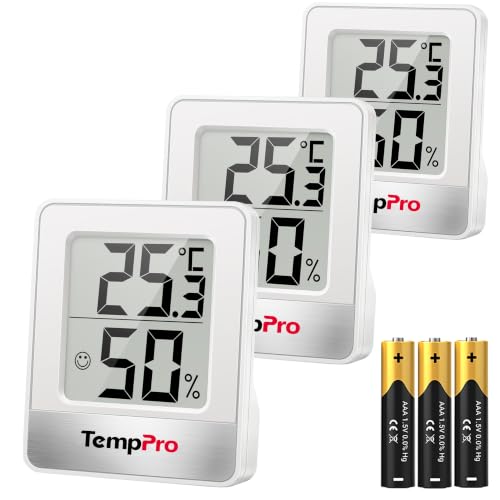
- Para un clima interior saludable: Con este mini termohigrómetro de ambiente, puede conocer fácilmente la temperatura y h…
- Sensor avanzado de alta precisión: El termómetro higrómetro para hogar construido en un sensor de temperatura y humedad …
- Ahorro de energía y opciones de montaje múltiple: Este monitor de temperatura y humedad en el hogar funciona con 1 bater…
A three-location comparison
- Place one monitor in the bedroom’s occupied zone, away from windows, supply vents, and exterior walls.
- Place a second on an open closet shelf with free air around it, not behind clothing.
- Place the third near—but not touching—the suspect wall or corner.
- Let all three acclimate and record them at the same morning and evening times.
- After a full day, swap the closet and bedroom monitors. A difference that follows the device may be sensor variation.
- Repeat during one dry-weather day before drawing conclusions.

Read the pattern, not one number
Relative humidity changes when temperature changes. A cooler closet can show a higher relative-humidity reading even if the amount of water vapor is similar. Look for persistent differences, visible condensation, odors, stains, or changes tied to rain, cooling cycles, showers, laundry, and occupancy.
The U.S. Environmental Protection Agency recommends keeping indoor relative humidity below 60 percent when possible, ideally in the 30–50 percent range. That is a general moisture-control target, not a diagnosis and not a guarantee that hidden materials are dry.
Low-risk corrections to test
Restore air movement
Remove floor clutter, avoid packing clothing tightly against an exterior wall, and leave a modest air gap. Test the closet with the door open. Do not cut vents into doors or walls without checking fire separation, return-air design, wiring, and the home manufacturer’s requirements.
Control the moisture source
Use working bathroom and kitchen exhaust that terminates outdoors. Confirm the clothes dryer vents outdoors and its duct is intact. Do not use an unvented combustion appliance as a drying shortcut. If outdoor air is humid, opening windows can add moisture rather than remove it.
Check boundaries safely
Look from the room side for staining, peeling finishes, swollen trim, soft flooring, or damp items. Do not probe walls near concealed wiring or plumbing. If symptoms track rainfall, compare the after-rain checklist. A humidity log helps separate a short spike from a repeating pattern.
When to stop monitoring
Monitoring is not a substitute for repair. Arrange professional help if water is actively entering, materials are soft, the odor persists despite dry conditions, visible growth is extensive, the problem returns after cleaning, or anyone has symptoms. Renters should document dates, photographs, and written notices according to local rules rather than undertaking invasive work.
Common mistakes
- Placing a monitor directly against a cold wall.
- Comparing different rooms at different times.
- Assuming a small desiccant tub can solve a leak.
- Painting over staining before the source is fixed.
- Running a dehumidifier without checking drainage, electrical load, and manufacturer clearances.
Frequently asked questions
Should I keep the closet door open?
Use it as a short diagnostic test. If readings improve, air movement may be part of the pattern, but the underlying temperature or moisture source still needs attention.
Can a hygrometer find a leak?
No. It measures air conditions at its location. A leak can exist without an immediate room-humidity spike.
Is closet mold always caused by poor ventilation?
No. Leaks, cold surfaces, duct problems, and high whole-home humidity can produce similar signs. Source identification matters.
Where should clothes sit?
Do not press them against an exterior wall or block a supply or return path. Follow the home and HVAC manufacturer’s guidance.
Sources
The technical basis comes from the HUD guide to moisture problems in manufactured homes and the EPA’s Mold House bedroom-closet guidance and brief moisture guide. Competing pages tend to give one-cause answers; this article adds a controlled three-location comparison and clear stop conditions.