
Manufactured home humidity after rain can be a brief weather response or the first clue to drainage, skirting, roof, plumbing, or crawl-space moisture. One high reading does not identify the cause. A useful check compares the same rooms before, during, and after the storm while keeping safety and building conditions in view.
Start with a timeline, not a diagnosis
Record outdoor weather, indoor relative humidity, temperature, and what was happening in the home. Cooking, showers, laundry, open windows, or a stopped HVAC system can raise humidity at the same time as rain. The pattern matters more than a single percentage.
| Pattern | Possible direction | Next check |
|---|---|---|
| Whole home rises during rain, then falls | Weather and ventilation response | Compare recovery time |
| One room stays higher | Local air or moisture source | Inspect walls, ceiling, supply air, and plumbing |
| Musty odor or visible staining | Persistent wet material | Stop guessing and arrange an inspection |
| Crawl space remains damp | Drainage, ground moisture, or enclosure issue | Use a safe professional assessment |
Why temperature belongs in the log
Relative humidity changes when air temperature changes, even if the amount of water vapor does not. A cool morning can show a higher percentage than a warm afternoon. Keep the sensors in consistent locations and interpret humidity with temperature rather than treating either number alone as proof of a leak.
Give the home time to recover
After rain stops, watch whether indoor readings move back toward the home’s usual range. A recurring spike that clears is different from a room that remains elevated for days. Our guide to tracking humidity at home explains how to read a sequence instead of chasing isolated peaks.

A simple monitoring tool
Transparency: this article contains an Amazon product card generated by the WordPress affiliate block. If you buy through it, we may receive a commission at no extra cost to you.
The TempPro TP49 three-pack below is presented as an example of a basic temperature and humidity monitor, not as a leak, mold, or indoor-air-quality detector. We have not independently tested it. Check the current listing, seller, included quantity, specifications, and availability before buying; the card uses the site’s authorized Amazon.es marketplace.
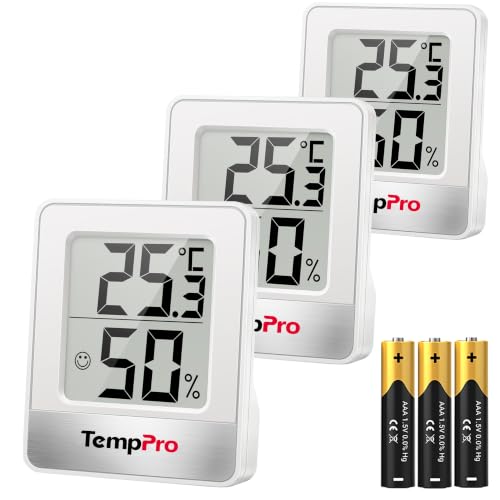
- Para un clima interior saludable: Con este mini termohigrómetro de ambiente, puede conocer fácilmente la temperatura y h…
- Sensor avanzado de alta precisión: El termómetro higrómetro para hogar construido en un sensor de temperatura y humedad …
- Ahorro de energía y opciones de montaje múltiple: Este monitor de temperatura y humedad en el hogar funciona con 1 bater…
How to compare three locations
- Place one monitor in a central living area, away from supply vents, windows, kitchens, and bathrooms.
- Place a second in the room that shows the strongest symptoms.
- Use the third only in a safe, accessible location near the suspected boundary; do not crawl into a wet, confined, electrically hazardous, or unstable space.
- Let the devices acclimate and record readings at the same times each day.
- Swap two monitors after a day. If the higher reading follows the device, the difference may be sensor variation.
If the crawl space is part of the question, read the safe crawl-space humidity check plan. Do not enter standing water or work around damaged wiring.
Inspect from safe, visible areas
Outside
Look for ponding water, clogged gutters, downspouts discharging beside the home, damaged skirting, and soil that slopes toward the structure. Do not alter drainage without understanding where the water will go.
Inside
Check ceilings, window edges, supply registers, plumbing cabinets, and floor transitions for new discoloration, softness, active drips, or musty odor. Photograph changes with dates. A hidden problem may exist without visible mold.
HVAC and daily moisture
Confirm that the system is operating normally and filters are not overdue, but do not open electrical panels or refrigerant components. Bathroom and kitchen exhaust should discharge as designed. Bedroom readings also vary overnight; see why bedroom humidity rises overnight.
When to call a professional
- There is standing water, active leakage, sagging material, or electrical risk.
- A musty odor or staining returns after every rain.
- One area remains persistently different after device swapping and normal ventilation.
- Occupants have health symptoms that may be associated with dampness.
- The under-home area cannot be inspected safely from an access point.
A qualified manufactured-home inspector, roofer, plumber, HVAC technician, or moisture-remediation professional may be appropriate depending on the evidence. Health concerns belong with a licensed medical professional.
Frequently asked questions
Does a high humidity reading prove there is mold?
No. A hygrometer measures temperature and relative humidity; it does not identify mold or locate a leak. Persistent dampness and visible or odorous changes justify further assessment.
Should I run a dehumidifier immediately?
A dehumidifier may reduce indoor moisture, but it does not repair a roof, plumbing, drainage, or crawl-space problem. Follow the manufacturer’s electrical and drainage instructions and investigate the source.
Can I put a household hygrometer in the crawl space?
Only if the location is dry, accessible, within the device’s operating limits, and safe to reach. Do not enter confined, wet, contaminated, or electrically hazardous areas to obtain a reading.
How long should I log readings?
Capture at least the wet-weather event and the recovery period. Several comparable rain events provide a stronger pattern, but visible damage or active water should not wait for a longer log.
Sources and practical takeaway
The moisture pathways and inspection cautions are consistent with the HUD moisture guide and the U.S. Department of Energy report on moisture problems in manufactured housing. Field perspectives were compared with guidance from Desert Mobile Home Services and How To Look At A House.
Use readings to build a timeline, not to declare a diagnosis. Compare locations, document recovery, inspect only what is safely visible, and escalate persistent or hazardous moisture before it damages the home.