Washer anti-vibration pads can reduce some movement transferred into a manufactured-home floor, but they are not a cure for shipping bolts, an unlevel machine, worn suspension parts, weak flooring, or an overloaded drum. Diagnose those causes before adding height beneath the feet.
This guide focuses on fit, stability, hose clearance, and a controlled test cycle. If the washer walks, bangs, leaks, or makes a new mechanical noise, stop using it and follow the appliance manual or call a qualified service technician.
In this washer anti-vibration pads guide
When washer anti-vibration pads may help
Pads are most useful when a correctly installed, level washer sends a modest hum through a sound, flat floor. A manufactured home may make that vibration more noticeable because a laundry area can sit over a framed floor rather than a concrete slab. The accessory should dampen contact without making the appliance unstable.
First remove transit hardware as directed, check that all four feet bear weight, confirm the load is balanced, and inspect the floor for softness or water damage. Pads cannot repair any of those faults.
7 safe checks before buying
| Check | Measure or verify | Why it matters |
|---|---|---|
| Foot size | Diameter and shape of each leveling foot | The foot must sit fully inside |
| Pad height | Added height at all four corners | Protects counter and hose clearance |
| Rated load | Washer operating weight, not empty weight alone | Limits compression |
| Floor | Flat, dry, rigid, and undamaged | Prevents rocking |
| Material | Non-marking compatibility with the floor finish | Avoids stains or bonding |
| Drain and hoses | No new kink, tension, or rubbing | Reduces leak risk |
| Access | Shutoff valves and plug remain reachable | Emergency isolation |
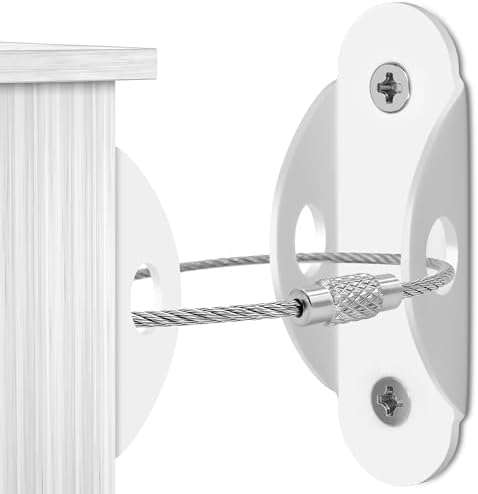
Selected product card
The product card below is generated by the authorized affiliate block. Recheck dimensions, material, load information, and current instructions against your washer manual before ordering.
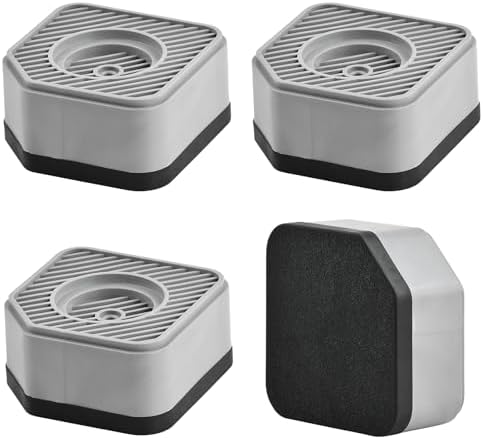
Transparency: this article includes an affiliate product card. It is an editorial selection, not a hands-on product test or a promise that pads will solve a structural or mechanical problem.
Installation and test sequence
- Unplug the washer and close the water valves before moving it. Do not pull on hoses or the power cord.
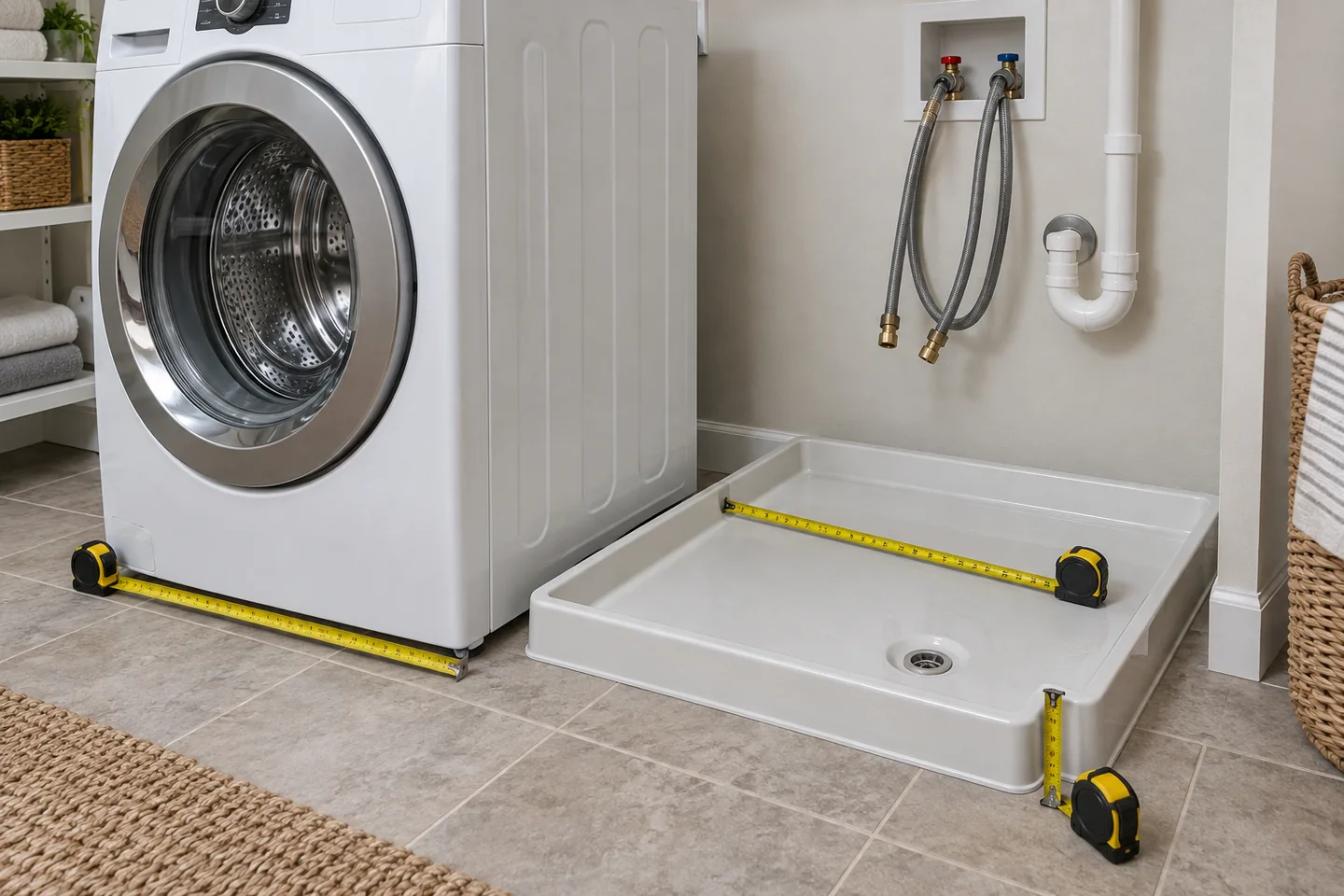
- Inspect the floor, drain pan, feet, supply hoses, and drain hose. Fix leaks or damage first.
- Use safe lifting help or appliance-moving equipment. A washer is heavy and can tip.
- Place one matching pad under each foot and lower the appliance evenly.
- Level the washer again in both directions according to its manual.
- Confirm hose loops, drain depth, plug access, wall gap, and cabinet clearance.
- Run a small supervised rinse-and-spin cycle, then a normal balanced load. Stop if movement increases.
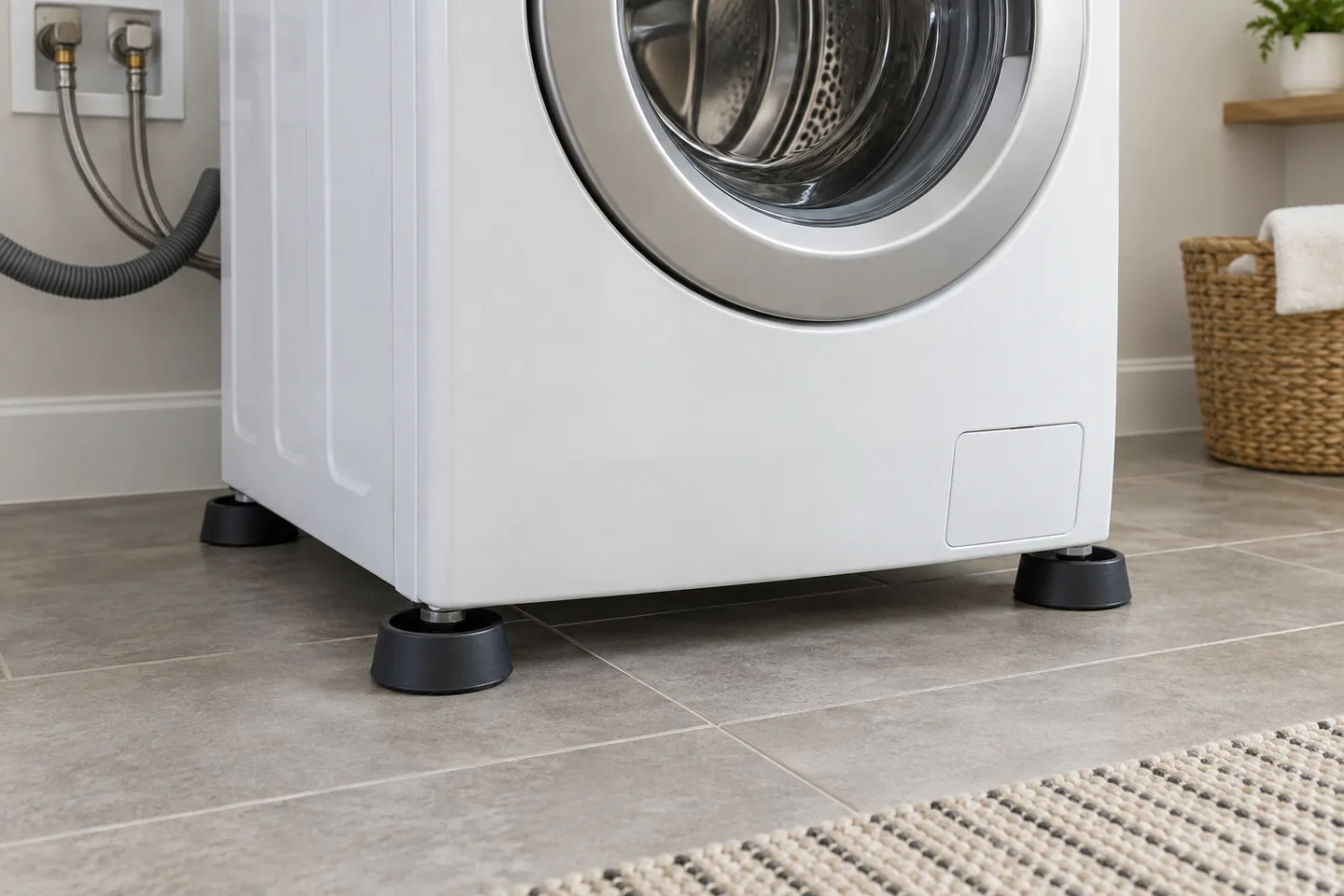
AI-generated editorial image. Affiliate link.
What pads cannot fix
- Shipping bolts left in a front-load washer.
- A weak, water-damaged, or deflecting floor.
- Loose counter contact, cabinet contact, or a kinked hose.
- Worn bearings, shocks, springs, or an unbalanced drum.
- A washer that is not level or has one foot floating.
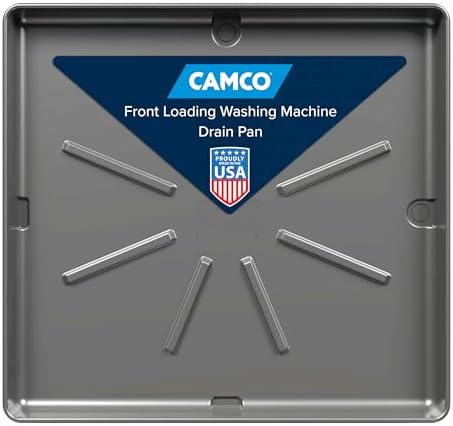
Protect the area with the right washing-machine drain pan, review laundry-room humidity control, and keep furniture and appliances stable with the principles in the anti-tip strap guide.
Frequently asked questions
Do thicker pads work better?
Not automatically. Extra height and softness can increase rocking, reduce hose clearance, or create cabinet contact. Fit and stability matter more than thickness alone.
Can pads protect a weak floor?
No. A soft or deflecting floor needs inspection and an appropriate repair. Do not hide water damage or structural movement with an accessory.
Should I secure the washer to the floor?
Do not improvise brackets or drill into the home or appliance. Follow the manufacturer’s installation method and use a qualified professional when structural work is needed.
For an independent technical check, review this reference source. In practice, washer anti-vibration pads should complement correct leveling and a sound installation, not conceal a mechanical fault. Before buying, confirm that the dimensions and limits of the washer anti-vibration pads match the actual appliance and floor.
Practical conclusion
Use washer anti-vibration pads only after the machine, floor, load, and connections pass inspection. Measure the feet and added height, level the appliance again, and supervise the first cycles. If the washer still walks or bangs, remove the pads and diagnose the real fault.